
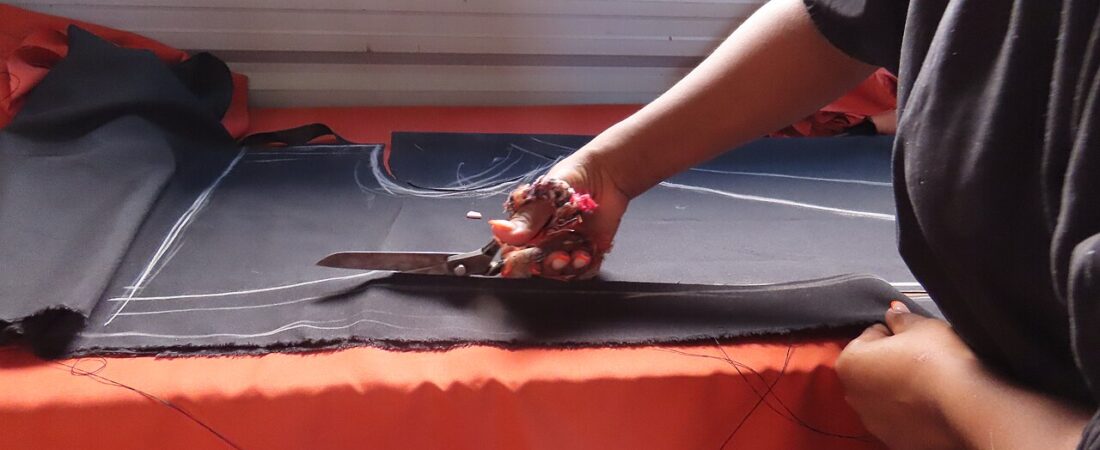
TAILORSCAN RESEARCH JOURNAL / CLOTHING FIT / OCTOBER 2026
A changing body size does not require an instant new wardrobe. Measure, assess alterations and decide which pieces really need replacing.
As an Amazon Associate I earn from qualifying purchases. This article contains Amazon category links and Udemy courses. If you purchase through qualifying affiliate links, we may earn a commission.
Your trousers still have perfectly good fabric. The jacket still has years of life. But the waist is now wrong, the shoulders feel oversized, and the advice online seems to oscillate between “buy everything again” and “take in every seam.”
There is a third approach: treat a changing wardrobe as a fit-management problem, not a shopping emergency. First establish what changed, then sort garments into three lanes: alter, resell or replace. The result may save cash, reduce waste and help you shop more intelligently, but the right choice depends on garment construction, fit preferences and local tailoring prices.
The timing is unusually relevant. On October 22, 2026, Reuters reported that weight changes associated with widespread GLP-1 medication use are contributing to demand for alterations, cobblers and resale. That is an economic and clothing-fit observation, not medical guidance or an assertion that anyone should use medication. Meanwhile, Baymard Institute’s June 2026 research of 1,922 online U.S. shoppers found that fit detail is a major question buyers try to answer through reviews. It is a reminder that clothing size labels alone are poor decision tools.
1. Size and fit are different questions
A label such as M, 12 or 34 tells you a brand’s nominal size. It does not tell you the garment’s actual waist, seat, shoulder width, rise, fabric stretch or preferred drape. Two people with similar measurements can also want very different fits.
Body dimensions describe the wearer. Garment dimensions describe the item. Ease is the gap between the two, intentionally included for mobility or style. A pair of pants may fit at the waist but pull at the seat; a shirt may close at the chest while the shoulder seam sits too low. These are different problems with different fixes.
Fashion researcher Coresight’s May 2026 report examines why size and fit intelligence is increasingly important to apparel retailers. Zalando’s June 2026 explanation of its own technology likewise notes that the same label can mean very different things across brands and cuts. The practical lesson for shoppers is simple: record measurements and fit preference rather than trusting a remembered tag.
Start with five anchors: natural waist, full hip, chest/bust, inseam and a garment-specific reference such as shoulder width. Measure over the clothing or undergarments you will actually wear with the item. Keep the tape level and comfortably close without pulling it tight. Have someone help with awkward dimensions if possible.
Measure before altering
Flexible tailor tape
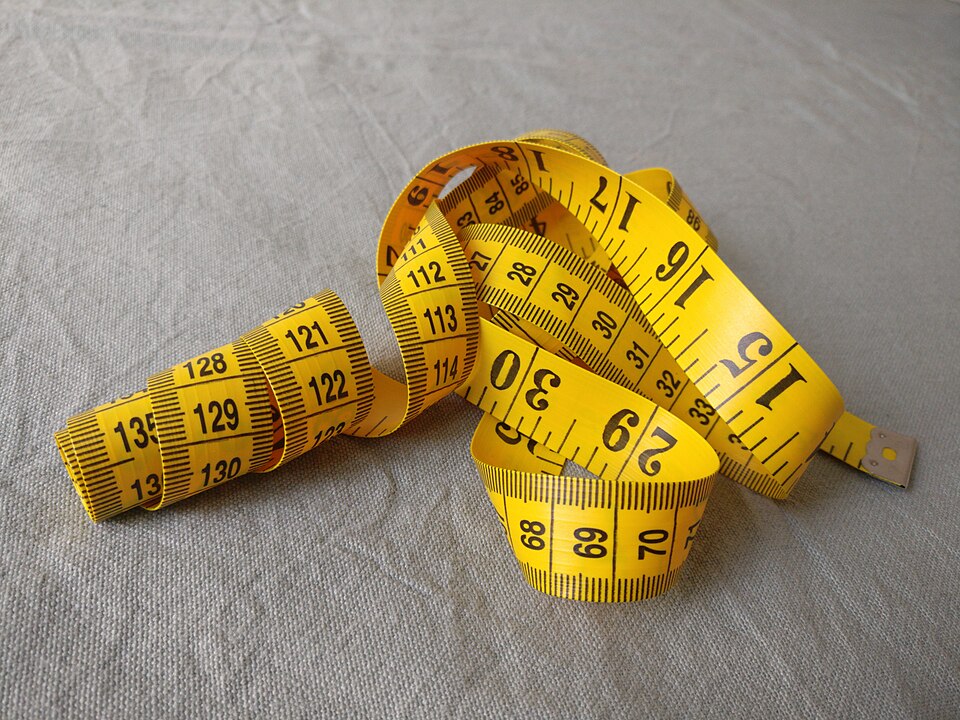
Record body and garment circumferences consistently. Check: Do not pull the tape tight or treat size tags as exact measurements.
AFFILIATE CATEGORY SEARCH · COMPARE USE CASESSHOP THIS PRODUCT CLASS · AFFILIATE SEARCH
Sewing hem gauge
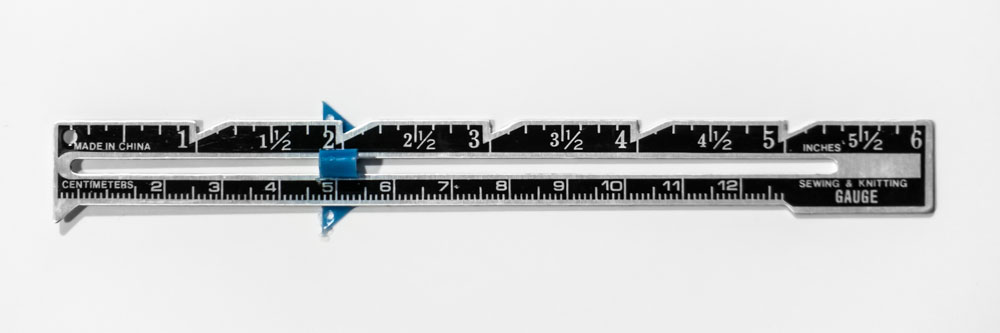
Check hem folds and short-seam lengths. Check: Confirm fabric construction and marking method first.
AFFILIATE CATEGORY SEARCH · COMPARE USE CASESSHOP THIS PRODUCT CLASS · AFFILIATE SEARCH
2. Build a three-pile wardrobe audit before spending
Put on each frequently worn garment and record four observations: what feels wrong, how much adjustment might be needed, whether it is structurally possible and how important the garment is to your daily life.
Lane A: alter
Candidates often include trousers needing a modest hem or waist reduction, skirts with accessible side seams, jackets needing minor sleeve shortening and shirts with excess fabric at the side seams. A tailor should confirm whether the garment construction permits the change. Complex linings, unusual seam placements, embellishments and major shoulder reconstruction can turn a seemingly small adjustment into an expensive job.
A well-made garment that you wear often can be worth preserving. But “can be altered” is not the same as “can be altered economically.”
Lane B: resell, donate or exchange
A garment may be high-quality yet wrong in several structural dimensions. If shoulders, armholes and overall proportions all need major changes, selling or exchanging it may be more sensible than asking for a complete rebuild. Resale value is uncertain: check sold listings for the specific brand, size and condition, not asking prices.
For low-value garments, donation may be the straightforward option. Condition and local acceptance rules matter.
Lane C: replace
Replace items whose fundamental construction no longer works, whose alteration price approaches an appropriate substitute, or whose safety/function depends on fit. Workwear is a special case: loose fabric near moving equipment, poor footwear retention or inappropriate protective garment sizing needs careful attention and may require replacement rather than home alteration.
Mark and fit before committing
Tailor’s chalk

Mark prospective alterations before committing. Check: Patch-test delicate fabric and remove chalk as instructed.
AFFILIATE CATEGORY SEARCH · COMPARE USE CASESSHOP THIS PRODUCT CLASS · AFFILIATE SEARCH
Sewing pins and cushion
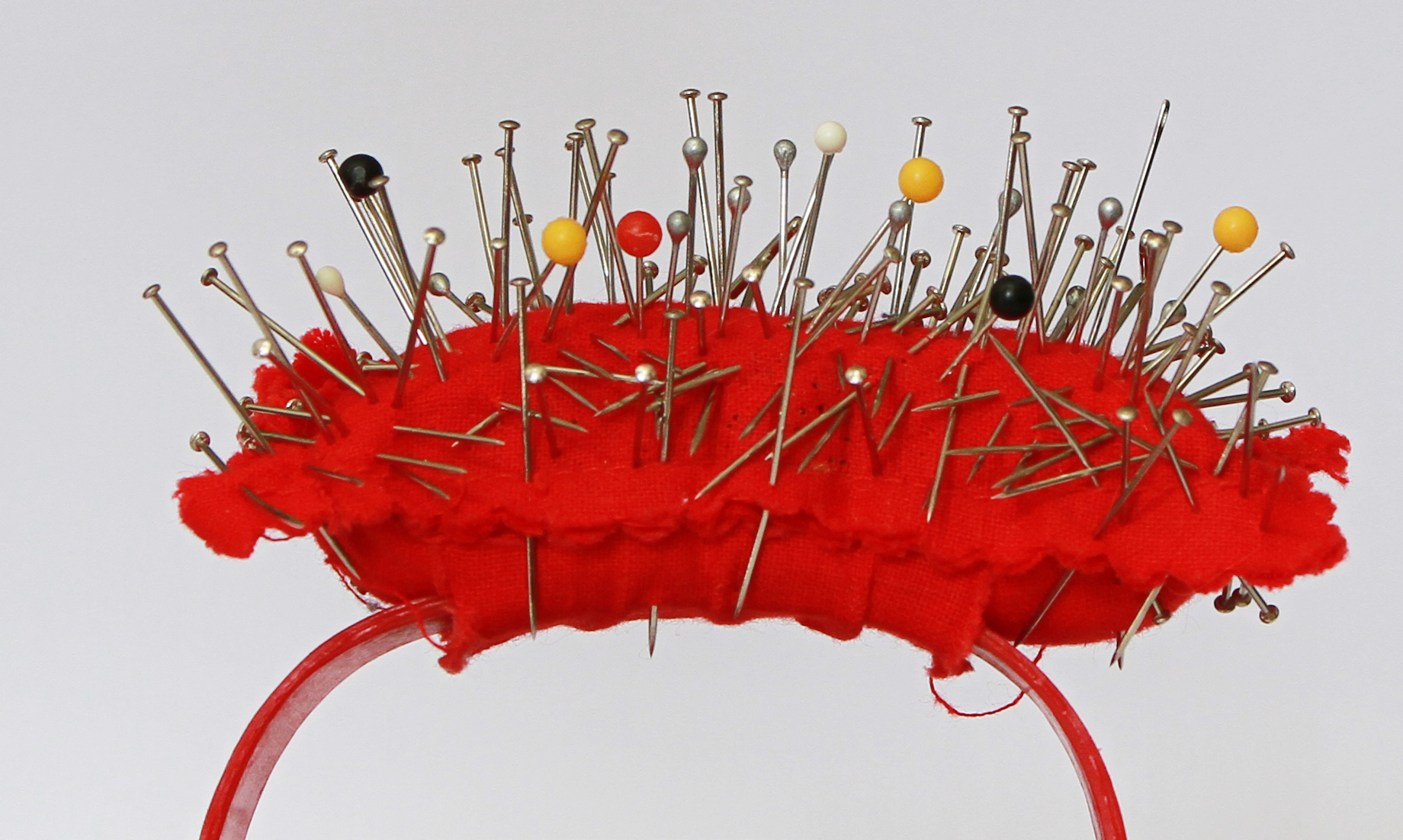
Hold fit adjustments temporarily with pins. Check: Sharp pins can damage delicate fabric or cause injury.
AFFILIATE CATEGORY SEARCH · COMPARE USE CASESSHOP THIS PRODUCT CLASS · AFFILIATE SEARCH
3. Use a real cost test, not a sentimental guess
The relevant comparison is not “what did I originally pay?” That money has already been spent. Compare the total cost of keeping a wearable result with the total cost of obtaining a suitable replacement.
Use this compact decision worksheet:
| Question | Alter | Replace |
|---|---|---|
| Cash required now | Tailor quote + travel + any cleaning | Purchase + shipping + tax + needed adjustments |
| Confidence in final fit | Tailor feasibility and fitting quality | Brand sizing and return policy |
| Time to usable garment | Appointment + turnaround | Delivery + returns if needed |
| Durability | Existing wear and remaining construction | Unknown until inspected |
| Resale or donation | Not applicable if keeping | Potential offset only if realistically recoverable |
Illustrative scenario, not a market-price claim: A jacket you already own could be made wearable for a hypothetical $35 alteration. A replacement you would genuinely buy could cost $110 plus $10 in shipping. If fit confidence and condition are comparable, alteration has a lower near-term cash cost. If the jacket would still hang badly at the shoulders, the $35 could be wasted. This is why fit feasibility comes before the arithmetic.
A useful rule: request a written or clearly itemized estimate for anything beyond basic hems, ask whether a fitting is included, and confirm what happens if the final fit is unsatisfactory. Do not assume every tailor offers the same corrections or guarantees.
4. Avoid the expensive mistake: buying a new wardrobe for a moving target
If measurements are changing over time, a complete replacement immediately may expose you to a second replacement later. The alternative is a staged capsule: enough appropriate clothes for work, exercise, necessary events and everyday life, with flexible items where suitable. Avoid assuming a particular future body size or timetable.
Separate must-fit-now pieces from nice-to-refresh pieces. For example, business trousers with an unsafe or unusable waist fit may be urgent, while a rarely worn blazer can wait for a tailoring quote. Keep one well-fitting reference garment and measure it flat for comparison when shopping online.
For ecommerce, check the retailer’s actual garment measurements and material composition. Look for customer reviews that mention height, cut, stretch and whether a style runs short or long. Baymard’s 2026 shopper study found that size accuracy and fit details were among the information consumers particularly sought in apparel reviews. Those details are more useful than a single average star score.
5. Measuring yourself is useful. Measuring the garment is essential.
A reliable at-home comparison uses two sets of numbers.
Body sheet: waist, chest/bust, hip, inseam and the date. Record the measuring method, because even slight tape tension changes the result.
Garment sheet: lay the item flat without stretching it, measure the relevant width or length, note whether it is half a circumference, and photograph the measuring placement for consistency. The key error is comparing a flat width directly with a body circumference. Where appropriate, a flat garment width may need to be doubled, but the shape and construction can make simplistic conversions misleading.
A properly built size recommendation tool should additionally ask about style preference, fabric stretch and brand-specific patterns. A body scan or photo-assisted tool should disclose accuracy limitations and handle sensitive imagery carefully. No phone-based estimator should be represented as a guaranteed fit.
Mini diagnostic: which problem are you actually solving?
1. Waist loose, legs otherwise right: request a waist-alteration quote. 2. Inseam too long, rise and hip right: check whether hemming is feasible. 3. Shoulders too wide: ask a tailor about structural complexity before spending. 4. Multiple proportional changes: compare resale and replacement. 5. Brand labels inconsistent: collect garment measurements, not just sizes. 6. Size still changing: prioritize functional essentials and delayed decisions.
This checklist is a decision aid, not a substitute for an experienced tailor inspecting the actual item.
Choose the right repair basics
Seam ripper
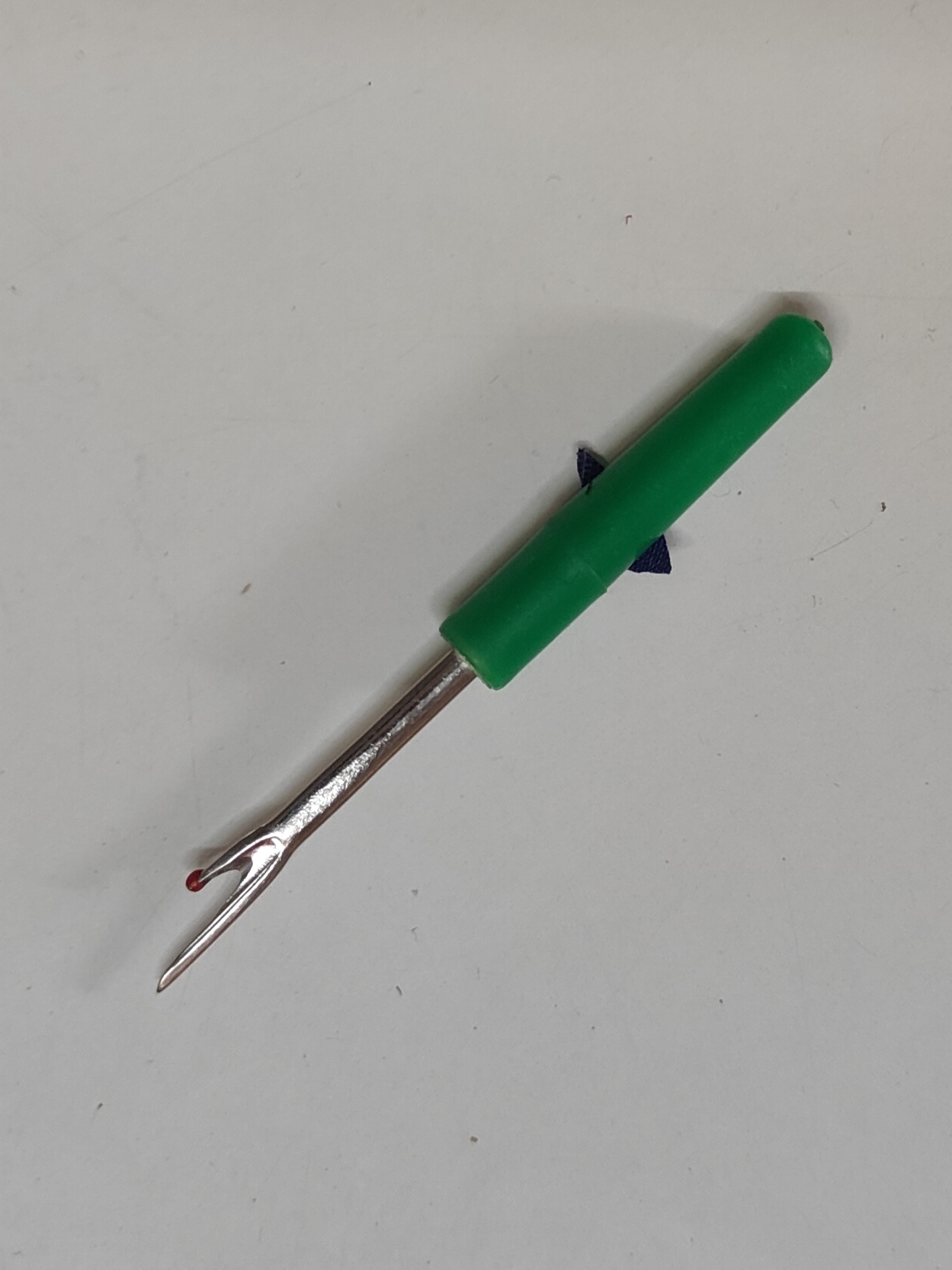
Remove stitches during simple sewing repairs. Check: Practice first; unpicking lined garments can create damage.
AFFILIATE CATEGORY SEARCH · COMPARE USE CASESSHOP THIS PRODUCT CLASS · AFFILIATE SEARCH
Basic sewing notions
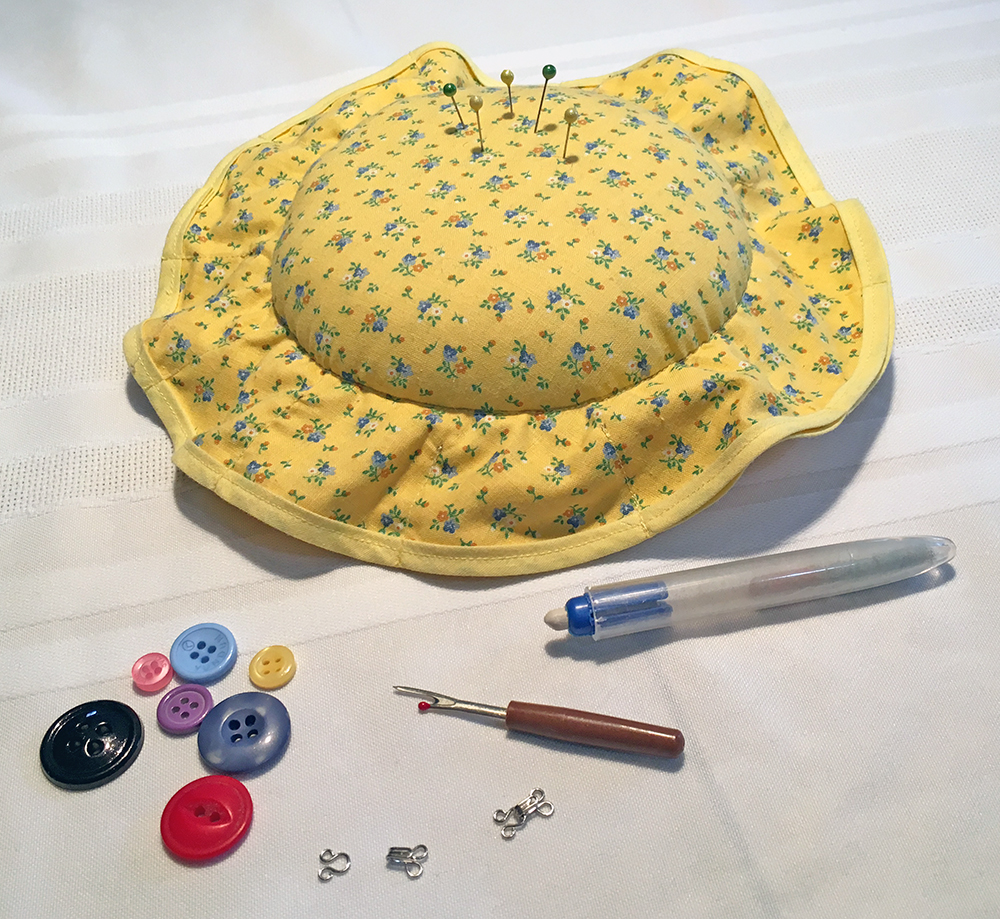
Organize essential needles, threads and small notions. Check: Not every sewing kit is suitable for complex alterations.
AFFILIATE CATEGORY SEARCH · COMPARE USE CASESSHOP THIS PRODUCT CLASS · AFFILIATE SEARCH
6. When a short course may be more useful than another purchase
If the problem repeats across many garments, learning how measurements, ease and alterations work can save repeated guessing. Two relevant Udemy options are Sewing Patterns: Finding the Right Size for You, which covers body measurements, ease and pattern selection, and Sewing Pattern Alterations: Fixing Fit Issues, which covers practical adjustments to sleeves, skirts and pants. Review the current course syllabus, preview, instructor and price before enrollment; these are verified editorial course destinations, not guaranteed discounts or verified tracked referral links.
The first course is more relevant if you struggle to understand sizing logic. The second is more relevant if you already sew and want to alter pattern pieces. Neither guarantees that you can safely or successfully modify every finished retail garment.
7. What retailers and fit-tech developers should learn
There is a business lesson inside this household problem. Fit confidence should be built from a chain of evidence: body inputs, garment-specific dimensions, fabric behavior, preference, and feedback after purchase. A retailer that only maps “usual size” to a new tag has not solved cross-brand sizing.
Coresight’s 2026 report frames sizing intelligence as a lever for fewer returns and better customer experience. Zalando publicly describes the use of machine learning, computer vision and three-dimensional technology alongside human fit expertise. These are examples of approaches, not proof that any smaller competitor or new phone app achieves the same outcomes.
A responsible fit platform should measure actual wrong-size decisions and returns, compare against the retailer’s current size chart, and disclose uncertainty. It should also avoid retaining personal body imagery without a clear purpose and user choice.
Bottom line: keep what works, measure what matters
A changing size does not automatically mean a new wardrobe. Start with measurements, test the construction and fit of your existing clothes, get actual alteration quotes, then decide which pieces deserve replacement. Buy tools only when they remove a real obstacle.
The most durable advantage is a personal fit record that survives the next brand, season or change in your routine.
Four steps before replacing a wardrobe
Open each stage to check fit, feasibility and total cost before you buy.
Measure
Fit test
Get quote
Decide
Alter or replace? A simple cost check
Compare costs using actual local quotes. Fit feasibility comes first.
Alteration costs $75 less in this example
Cash cost illustration only; ignore this result if the garment cannot be altered to fit reliably.
Build a personal fit record
Keep both your body measurements and the corresponding dimensions of clothing that already fits. Brand labels alone are not sufficient to choose a new garment.
Research and references
- Reuters, October 22, 2026, Ozempic wave boosts US cobblers and tailors.
- Coresight Research, May 19, 2026, Shifting the Size and Fit Paradigm.
- Baymard Institute, June 12, 2026, Apparel & Accessories Quantitative UX Insights.
- Zalando Corporate, June 22, 2026, How Zalando uses technology to help customers find the right size.
Photo credits & licenses
- Featured photograph: Martin Hipangwa · CC BY-SA 4.0 · rehosted/resized editorial photograph. Working tailor cuts fabric.
- Editorial card: Éloïse Ruby / We Like Sharing · CC0 1.0 · rehosted/resized editorial photograph. Flexible tape measure suitable for garment measurements.
- Editorial card: Heddles · CC0 1.0 · rehosted/resized editorial photograph. Metal sliding sewing gauge.
- Editorial card: Zenzenmushimushikotatsumuri (zenkota) · CC BY-SA 3.0 · rehosted/resized editorial photograph. Pieces of tailor’s chalk for marking garment adjustments.
- Editorial card: Lisafern · CC0 1.0 · rehosted/resized editorial photograph. Pin cushion with dressmaking pins.
- Editorial card: Ranjithkumar Murugesan · CC0 1.0 · rehosted/resized editorial photograph. Close-up of a sewing seam ripper.
- Editorial card: LauraTheLibrarian · CC BY-SA 4.0 · rehosted/resized editorial photograph. Sewing notions including pins, buttons and thread accessories.


